

Nudge Coach was a coaching platform designed primarily for health, wellness, nutrition, and behavior-change professionals. It helped coaches deliver programs, monitor habits, communicate with clients, and manage individual or group coaching through web and mobile applications.
The platform was particularly known for customizable trackers, automated program cards, daily check-ins, and client-engagement tools. Unlike fitness-first products, Nudge Coach concentrated more on habits and accountability than structured workout programming.
Nudge Coach is no longer an option for new customers. Multiple industry sources report that the company ceased operations on April 30, 2025, and its former official website no longer presents an active product or pricing page. This article therefore evaluates Nudge Coach retrospectively and helps former users identify suitable replacements.
What Was Nudge Coach?
Nudge Coach was a cloud-based client-engagement platform for coaches and wellness organizations. It provided practitioners with an administrative dashboard and clients with mobile applications for receiving content, recording activities, communicating with coaches, and monitoring progress.
Bonus Free Guide Included
The platform supported health, wellness, nutrition, lifestyle, sleep, stress-management, weight-management, educational, group, and accountability coaching, as well as habit-change programs, corporate wellness, preventive health, and remote patient engagement.
Its primary purpose was to encourage clients to complete small, repeatable actions between coaching sessions, allowing practitioners to monitor behavior remotely and intervene when engagement began to decline.
Nudge Coach’s Closure
Nudge Coach reportedly stopped operating on April 30, 2025. Consequently, its mobile applications, coaching dashboard, subscriptions, client programs, and associated services should not be considered available in 2026.
Some software-review directories and older comparison articles continue to display Nudge Coach’s former features and pricing. These pages may appear current because their headings contain “2026,” but they do not necessarily indicate that the product remains operational.
Prospective customers should not attempt to purchase or implement Nudge Coach. Anyone encountering an offer that claims to provide a current Nudge Coach subscription should verify its legitimacy carefully.
The closure also illustrates why coaches should evaluate data portability and provider stability when choosing software. A coaching platform can contain years of client messages, measurements, check-ins, program materials, and business processes. Losing access can disrupt both service delivery and recordkeeping.
Explore The AI-Linked Asset Class Elites are Investing In
How Nudge Coach Worked
Coaches created accounts, invited clients, established groups, configured tracking metrics, and delivered structured programs. Clients used the Nudge application to receive content, complete tasks, enter daily data, and communicate with their coaches.
The coaching dashboard brought client information into one place. Coaches could review activity, identify progress, send messages, and adjust support according to each person’s behavior.
A typical workflow involved creating a client group, selecting appropriate trackers, scheduling a sequence of coaching cards, inviting participants, and monitoring completion. Automations reduced the need to send every reminder or resource manually.
Client Management
Nudge Coach allowed practitioners to organize clients and view their activity from a central dashboard. This was useful for professionals managing more people than could be monitored through email, spreadsheets, or text messages.
The platform’s emphasis was ongoing engagement rather than appointment administration. Coaches needing detailed contracts, invoices, scheduling, session notes, or customer-relationship management often required additional software.
Custom Habit Trackers
Customizable trackers were among Nudge Coach’s strongest features. Coaches could define the behaviors or measurements relevant to a program instead of relying entirely on predefined fitness metrics.
Clients entered information through the mobile application, allowing coaches to review patterns between appointments. These records could make coaching conversations more specific and evidence-based.
Self-reported data is not always complete or accurate, however. Coaches still needed to interpret trends carefully and avoid treating wellness tracking as a substitute for medical assessment.
Goals and Progress Monitoring
Coaches could establish client goals and monitor progress over time. The platform’s visual tracking tools helped clients see whether they were consistently performing their target behaviors.
Progress information could support accountability, celebrate improvements, and identify obstacles. A coach could use the data to adjust goals, provide encouragement, or contact a client who stopped checking in.
Nudge Coach was better suited to recurring behavioral goals than complex athletic programming. Personal trainers requiring periodized workouts, prescribed sets and repetitions, exercise demonstrations, or performance programming generally needed another product.
Program Cards
Nudge Coach used interactive content units commonly described as Cards. These allowed coaches to deliver educational material, instructions, tasks, questions, and reminders through the client application.
A sequence of Cards could form a structured coaching program. For example, a nutrition coach might schedule daily lessons, meal-planning exercises, reflection questions, and habit reminders.
This delivery format was more interactive than sending email attachments and gave clients a consistent place to find their program material.
Automated Coaching Programs
Cards could be organized into automated sequences so clients received material according to a predefined schedule. This allowed coaches to standardize recurring parts of their service and deliver programs to larger groups.
Automated programs could support:
- Client onboarding
- Daily challenges
- Multiweek wellness programs
- Habit-building sequences
- Nutrition education
- Course-like content
- Follow-up programs
- Employee-wellness campaigns
Automation reduced repetitive work, but it did not eliminate the need for personal coaching. Effective programs still required monitoring, feedback, and timely intervention when clients encountered difficulties.
Some automated or “coachless” functionality was historically associated with higher-priced or custom arrangements rather than standard subscriptions.
Messaging
Nudge Coach provided in-app communication between coaches and clients. Messaging helped keep coaching conversations separate from personal text messages and scattered email threads.
The client application provided convenient access, but coaches still needed to set communication boundaries. Programs should explain response times, emergency limitations, acceptable message content, and when clients should contact a qualified healthcare provider instead.
Groups and Group Coaching
Clients could be organized into groups for cohort programs, challenges, wellness initiatives, and shared coaching experiences. Groups simplified the delivery of common trackers, content, and communication.
Nudge Coach also offered community and leaderboard features that encouraged group accountability. These tools could motivate participants by making progress visible and creating a sense of shared participation.
Its community functionality was relatively straightforward. Businesses requiring detailed forums, extensive member profiles, events, live rooms, or sophisticated moderation generally needed a dedicated community platform.
Leaderboards
Leaderboards could display comparative participation or engagement within a group. They were useful for challenges in which members accumulated points or completed specific activities.
A leaderboard can motivate some participants, but it may discourage others or create inappropriate competition. Coaches should decide whether public rankings fit the program’s objectives and participants’ circumstances.
Health-related leaderboards should reward safe, constructive behaviors rather than extreme results. Participants should also understand what information other members can see.
Mobile Client Experience
Clients accessed Nudge Coach through mobile applications. The app enabled them to view Cards, record tracker data, complete activities, monitor progress, participate in groups, and communicate with coaches.
A mobile-first experience was important because habit tracking usually occurs throughout the day rather than during formal coaching sessions. Quick data entry could improve consistency compared with spreadsheets or web forms.
The platform also offered branded and white-label options for organizations wanting a customized application. These arrangements were generally more expensive and required direct consultation.
Branded and White-Label Applications
Nudge Coach’s higher-level offering allowed businesses to provide a more customized mobile experience. Depending on the agreement, branding could include the organization’s name, colors, imagery, and application-store presence.
A branded application could benefit:
- Coaching companies
- Corporate-wellness providers
- Healthcare programs
- Membership organizations
- Franchises
- Multi-coach businesses
- Employee-benefit providers
White-label applications usually involve costs beyond the software subscription. Potential expenses include implementation, annual commitments, app-store accounts, maintenance, design work, updates, and support.
Nudge Coach’s historical white-label pricing was not publicly standardized, so organizations were required to request a proposal.
Health and Activity Data
Nudge Coach’s health-oriented design allowed clients and coaches to work with behavioral and activity information. Historical integrations and data connections varied over time and could depend on mobile operating systems or external health platforms.
Potential data sources included manual tracker entries, connected health applications, and wearable-device information. Coaches could use this data to understand client behavior between sessions.
Any replacement platform should be assessed carefully for Apple Health, Health Connect, Fitbit, Garmin, Whoop, or other required connections. Health-data integrations change frequently as device manufacturers and operating-system providers revise their APIs.
Zapier Integrations
Nudge Coach connected with Zapier, which allowed users to create workflows involving payment, scheduling, forms, email marketing, and other business applications.
The old Nudge Coach Zapier directory may still display triggers and actions, but these should not be interpreted as evidence that the discontinued platform remains usable. Legacy connector pages can remain indexed after a service closes.
Payments and Scheduling
Nudge Coach was principally a coaching-delivery system rather than a complete commerce platform. Many coaches used external checkout and scheduling services, then connected them through Zapier.
Common companion tools included Stripe, PayPal, Square, Calendly, SamCart, and other checkout or appointment services. A successful payment or booking could trigger a client invitation.
This modular approach provided flexibility but increased costs and operational complexity. Coaches could need separate subscriptions for billing, appointments, contracts, email marketing, and coaching delivery.
Anyone replacing Nudge Coach should decide whether to retain this modular structure or move to a platform with native scheduling and payments.
Reporting and Engagement Data
Nudge Coach’s dashboard helped coaches review client participation and progress. Reports and activity views could reveal which clients were checking in, completing programs, or falling behind.
Administrators could use this information to identify:
- Engaged clients
- Missed check-ins
- Declining participation
- Habit patterns
- Group progress
- Completed programs
- Clients needing attention
This information was useful for day-to-day coaching, but the platform was not a complete business-intelligence or clinical-record system. Organizations requiring advanced outcome analysis, medical documentation, billing reports, or regulatory audit trails needed additional technology.
Historical Nudge Coach Pricing
Before it closed, Nudge Coach used a pricing structure based mainly on client capacity. The Free plan cost nothing and supported up to five clients, while Grow cost a reported $60 per month for up to 50 clients and Scale cost $100 per month for up to 100 clients.
White-label applications and advanced organizational requirements were offered through custom proposals. These prices are historical and can no longer be used to purchase the service.
Archived software directories may also show different plan names, limits, or rates depending on when their information was collected.
Ease of Use
Nudge Coach was generally recognized for a simple client experience and flexible habit tracking. Clients could complete routine activities without navigating a complicated learning-management system.
Coaches could build custom programs without developing an application from scratch. Templates and reusable Cards helped reduce setup work after the initial program had been created.
The platform’s flexibility still required planning. Coaches needed to establish trackers, Cards, program schedules, groups, communication rules, and integrations. Creating a strong program involved more than simply inviting clients to the app.
Customer Reviews
Nudge Coach historically received favorable reviews on software directories. Capterra’s indexed 2026 listing reports an overall score of 4.5 out of 5 from 16 reviews, including 4.8 for ease of use, 5.0 for customer service, and 4.4 for features.
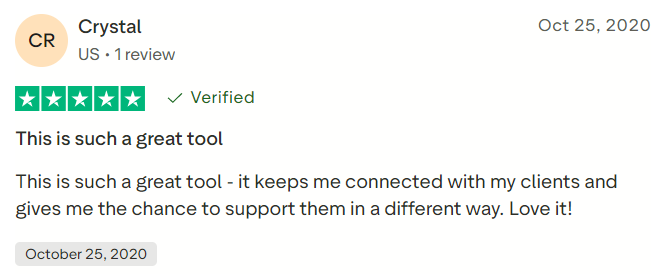
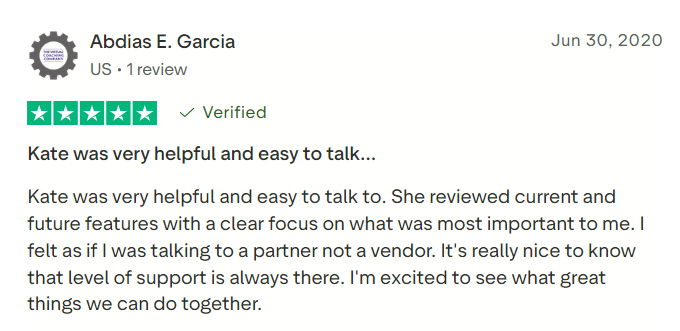
Users often praised its usability, client communication, flexible tracking, and responsive support. Common limitations included the absence of a structured workout builder, dependence on external tools, restricted community functionality, and the cost of white-label options.
These ratings describe the historical product, not a currently supported service. Current directory pages should therefore be treated as archived buyer information.
#1.
#2.
Nudge Coach’s Former Advantages
Nudge Coach offered flexible habit tracking, daily check-ins, interactive Cards, automated programs, messaging, groups, and leaderboards through a clean client application. Its behavior-change focus suited health and wellness professionals better than platforms designed entirely around courses or workouts.
The Free plan gave small practices a way to test the software with real clients. Zapier also made it possible to connect sales, scheduling, forms, and email services without custom development.
Branded applications extended the platform to organizations wanting a more professional customer-facing product.
Nudge Coach’s Former Drawbacks
The platform did not provide a comprehensive workout builder or extensive exercise library. This made it less suitable for personal trainers and strength coaches delivering detailed training plans.
Scheduling, payments, contracts, and email marketing often required external tools. Community features were also less extensive than those of dedicated membership platforms.
White-label pricing lacked public transparency and could involve substantial commitments. Most importantly, the 2025 shutdown made the platform unusable and demonstrated the operational risk of depending on a single software provider without a documented export and migration plan.
Who Was Nudge Coach Best For?
Before its closure, Nudge Coach was best suited to:
- Health coaches
- Wellness coaches
- Nutrition professionals
- Behavior-change specialists
- Corporate-wellness providers
- Accountability coaches
- Lifestyle coaches
- Group-program operators
- Organizations needing custom habit trackers
- Businesses interested in a branded coaching app
Its model worked especially well when coaching focused on daily behavior, check-ins, and accountability rather than formal courses or prescribed workouts.
Who Was It Less Suitable For?
Nudge Coach was less appropriate for personal trainers requiring an exercise library, detailed workout programming, prescribed sets and repetitions, or advanced performance analytics.
It was also a weaker fit for coaching businesses needing native contracts, scheduling, invoices, sophisticated communities, complete email marketing, clinical records, or advanced learning-management features.
Because the service is closed, it is now unsuitable for every new implementation regardless of coaching model.
Data Portability Lessons
Nudge Coach’s closure demonstrates why data portability should be treated as a core purchasing criterion. Before adopting a coaching platform, businesses should understand whether they can export client profiles, progress history, tracker data, program materials, messages, forms, payments, and reports.
They should also determine whether exports are available without support assistance, which formats are used, how long retrieval takes, and what happens after cancellation.
Businesses can reduce risk by maintaining current copies of essential content and operational records outside the platform. Written migration procedures are particularly important for organizations using coaching software to deliver their primary service.
Is Nudge Coach Worth It in 2026?
No. Nudge Coach cannot be recommended in 2026 because it reportedly ceased operations on April 30, 2025. Its former strengths and favorable reviews do not change the fact that buyers cannot depend on it as an active coaching platform.
Its underlying approach remains relevant, however. Coaches who valued habit tracking, client check-ins, automated Cards, messaging, and accountability should compare current alternatives based on those specific capabilities.
Final Verdict
Nudge Coach was a useful behavior-change platform for health, wellness, and nutrition professionals. Its flexible trackers, interactive Cards, automated programs, mobile experience, messaging, and group-accountability features helped coaches support clients between appointments.
Its weaknesses included limited workout programming, dependence on external business tools, basic community functionality, and nontransparent white-label pricing. The decisive issue is that the company reportedly closed on April 30, 2025.